Sciatica Relief: Chiropractic Care, Massage and Stretching
Sciatica, pain that radiates along the sciatic nerve from the lower back through the hip and leg, often improves within four to six weeks with conservative care: gentle movement, stretching, and sometimes chiropractic or massage support. Severe or worsening symptoms, though, need medical evaluation rather than a longer trial of home care.
What usually helps first
Cleveland Clinic notes that mild symptoms can start with home steps: alternating ice and heat, over-the-counter anti-inflammatory medicine, and gentle movement or stretching. Many cases improve within four to six weeks without medical treatment, and sciatica often does not last longer than six weeks; if symptoms do not improve after a few weeks, the advice is to talk with a provider.
Physical-therapy-guided exercises, such as bridging, cat-and-camel, knee-to-chest, and lower back extension, aim to build strength and reduce pressure on the nerve.
Where chiropractic and massage fit in
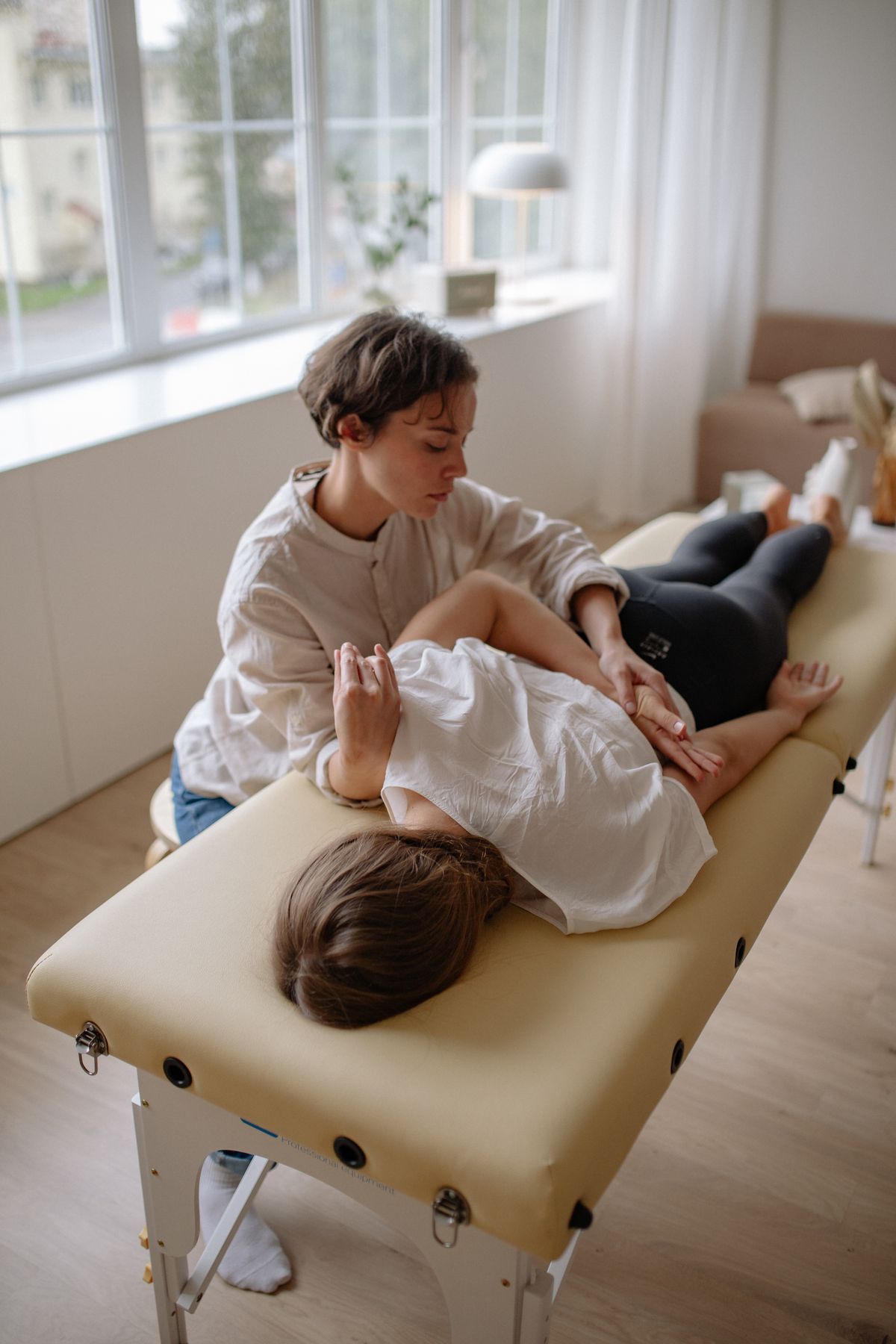
Chiropractic adjustment appears as one nonsurgical option among several, alongside physical therapy and TENS, within a generally stepped, conservative-first approach to sciatica and related back conditions. Massage is generally framed as a supportive, comfort-focused option rather than a primary treatment for sciatica itself; the same caution that applies to any massage for back-related pain applies here too, more vigorous techniques carry a higher, though still low, rate of rare side effects, so mention any bone, nerve, or circulation issues beforehand.
You may come across specific success-rate numbers in chiropractic marketing for sciatica. Treat percentage claims cautiously unless they link to the actual published study behind them, since the mainstream sources used for this article do not make that kind of specific guarantee.
Red flags that need urgent medical care
Cleveland Clinic lists muscle weakness, loss of bladder control, and loss of bowel control as serious symptoms to watch for. These, along with sudden, severe pain or numbness, call for prompt medical attention rather than more stretching or another massage appointment.
If your sciatica is tangled up with general lower back pain, our back pain overview covers broader causes and when to seek care, and our article on massage for lower back pain looks specifically at the massage side of that picture.
- Most sciatica improves within four to six weeks with conservative care: gentle movement, stretching, and over-the-counter anti-inflammatories.
- Chiropractic adjustment and massage are sometimes used as supportive, nonsurgical options, generally as part of a stepped approach rather than a first-line treatment on their own.
- Be skeptical of specific success-rate statistics in chiropractic marketing unless they link to a real, checkable study.
- Muscle weakness, or loss of bladder or bowel control, are red-flag symptoms that need prompt medical attention.
- Muscle weakness, or loss of bladder or bowel control.
- Sudden, severe pain or numbness that does not ease with rest.