IV Vitamin Therapy: Uses, Evidence and Risks
What IV vitamin therapy is
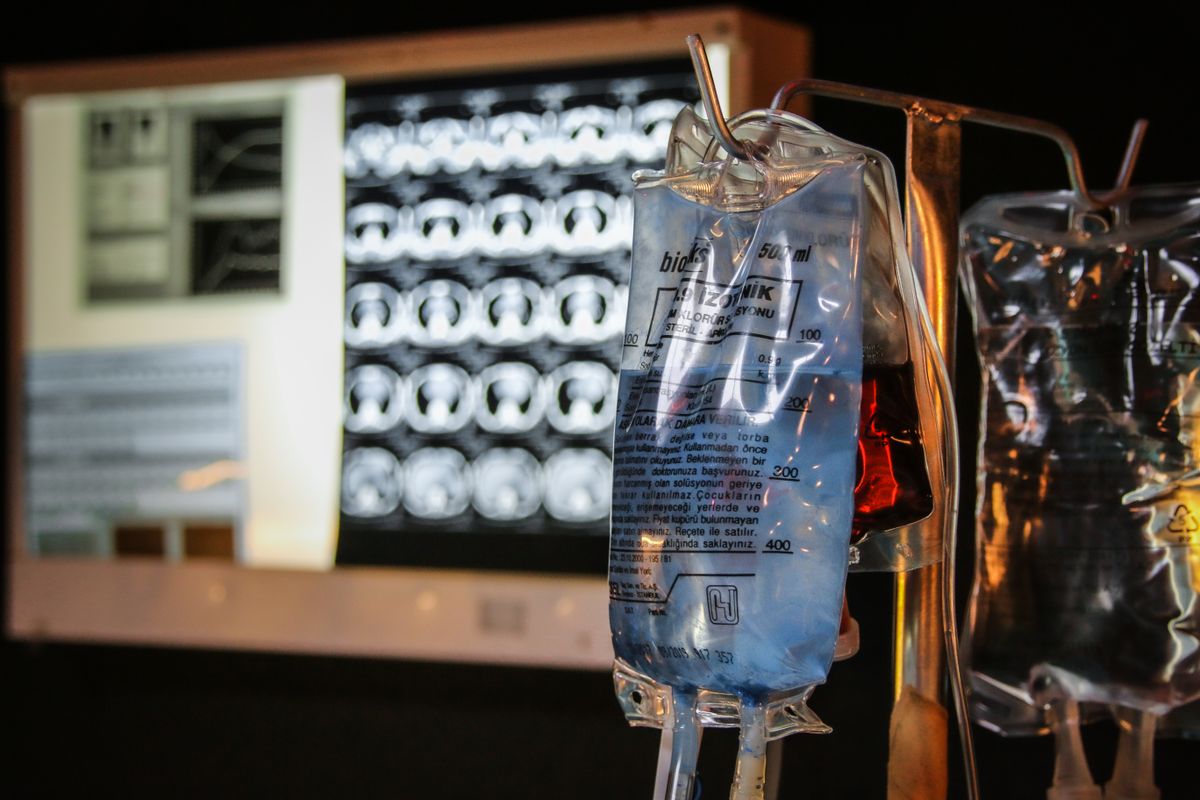
IV vitamin therapy delivers vitamins, minerals, or fluids directly into a vein, bypassing digestion. There is an established medical use for this when someone cannot absorb nutrients normally — for example, due to a severe digestive condition or inability to eat.
Separately, “wellness drips” marketed for energy, hangovers, or immunity are a different use case, aimed at people without a diagnosed deficiency.
| Medical IV nutrition | Wellness drip marketing | |
|---|---|---|
| Who it's for | Documented deficiency or inability to eat/absorb normally | Generally healthy people |
| Evidence of benefit | Established for the specific deficiency | Unproven beyond a balanced diet/multivitamin |
| Typical cost | Covered as part of medical treatment | Roughly $250–$800 per elective session |
What the evidence shows for wellness use
For generally healthy people, current evidence does not show that IV vitamin drips provide benefits beyond what a balanced diet or an oral multivitamin already provides. Reviewers describe the benefit for this population as unproven, while costs for a single session commonly range from roughly $250 to $800.
Clinicians see a clearer role for IV nutrition in specific medical situations, such as documented nutrient deficiency, inability to take food by mouth, or certain cases of chronic alcohol use disorder.
Risks to discuss before a session
Risks include infection at the injection site, vein irritation, electrolyte imbalance, and allergic reaction. These risks are the same regardless of whether the stated goal is medical or purely elective wellness use.
- A clear medical use exists for IV nutrition in diagnosed deficiency or when a person cannot eat normally.
- For generally healthy adults, wellness-drip marketing claims are not well supported by current evidence.
- Costs are often substantial for a treatment with unproven benefit in healthy people.
- Before IV therapy if you have kidney disease, heart failure, or electrolyte problems.
- If you experience swelling, redness, or pain at the injection site after a session.