Massage for Lower Back Pain: Options and Limitations
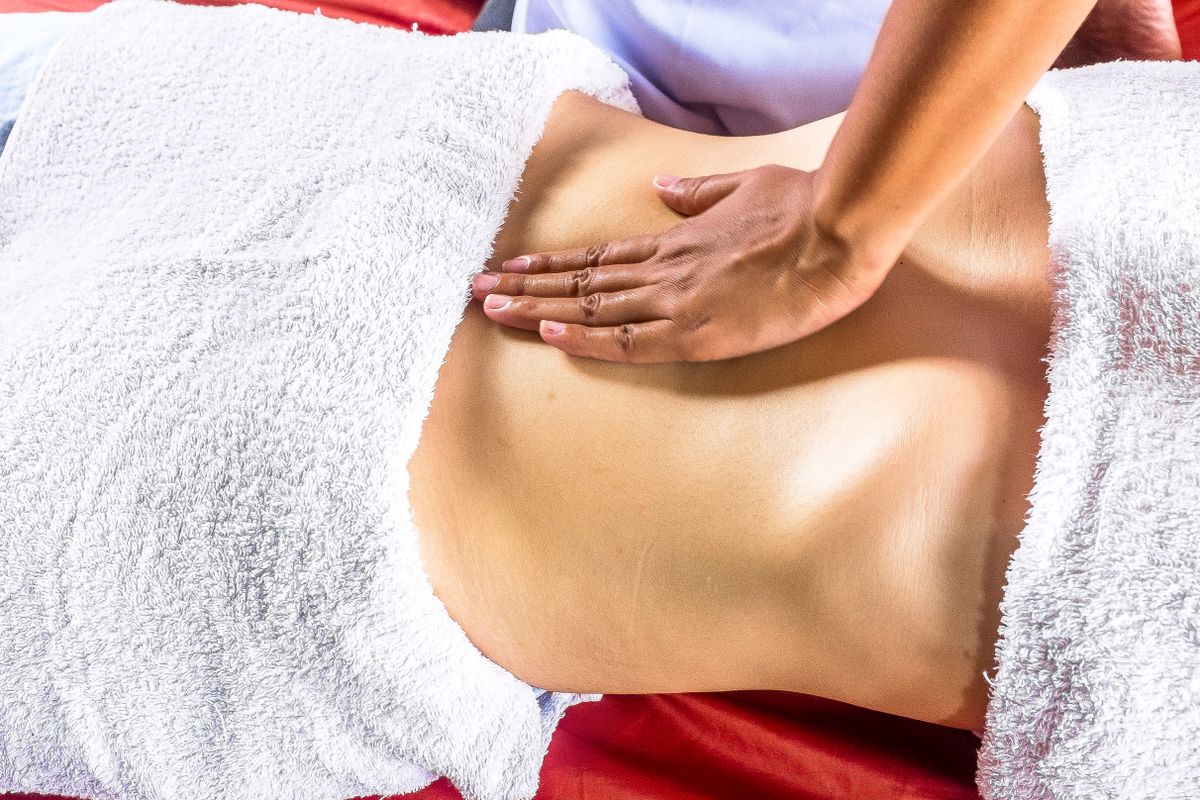
Massage can ease lower back pain for some people, at least in the short term, but the research behind it is weaker than many assume. Massage alone is rarely considered a complete treatment plan for anything beyond mild, muscle-related pain, and it is worth knowing where its evidence is stronger, and where it is thinner, before relying on it.
What the research actually shows
A 2016 review found low-strength evidence that massage helps chronic low back pain, and a separate 2015 review of 25 studies found short-term pain improvement for both acute and chronic cases, though the reviewers had very little confidence in the finding because overall study quality was low. A 2017 American College of Physicians guideline included massage as an option for acute or subacute low back pain, but specifically did not recommend it for chronic low back pain.
In short: short-term relief is plausible, especially when massage is combined with exercise and education rather than used by itself. Relying on massage alone for pain that has lasted months is on considerably weaker ground.
Self-massage and at-home options
Tools like foam rollers, massage balls, and handheld massagers are commonly used for mild, muscle-related tightness in the lower back. Self-massage is a reasonable option for superficial muscle tightness, but it cannot address nerve-related pain, such as sciatica, or an underlying structural issue, and pressing directly on the spine itself is not advisable.
If self-massage does not ease things within a short trial period, or if you notice numbness, tingling, or weakness radiating into a leg, that is a reason to get it assessed rather than keep self-treating.
Safety notes and when to see a provider instead
Rare but serious side effects from massage, including blood clots, nerve injury, and fractures, have mostly involved vigorous techniques or occurred in people at higher risk of injury, including older adults. That is a reasonable prompt to mention any bone, circulation, or clotting conditions before a session.
See a provider rather than continuing with massage alone if pain follows an injury, does not ease within a few weeks, or comes with fever, unexplained weight loss, or changes in bowel or bladder function. Our back pain overview covers common causes and when evaluation is needed, and our therapeutic massage page explains what a typical session involves. If nerve pain running down a leg is part of the picture, our sciatica relief article is worth reading too.
- Massage may give short-term relief for lower back pain, but evidence quality is generally low, and a 2017 clinical guideline does not recommend it specifically for chronic low back pain.
- Self-massage tools can help mild, muscle-related tightness but cannot address nerve-related pain or an underlying structural problem.
- Rare but serious side effects are mostly linked to vigorous technique or occur in people at higher risk of injury.
- Get pain evaluated by a provider if it follows an injury, does not ease within a few weeks, or comes with red-flag symptoms like leg numbness or bowel or bladder changes.
- Pain that follows an injury, or that does not ease within a few weeks of self-care.
- Fever, unexplained weight loss, or changes in bowel or bladder function alongside back pain.