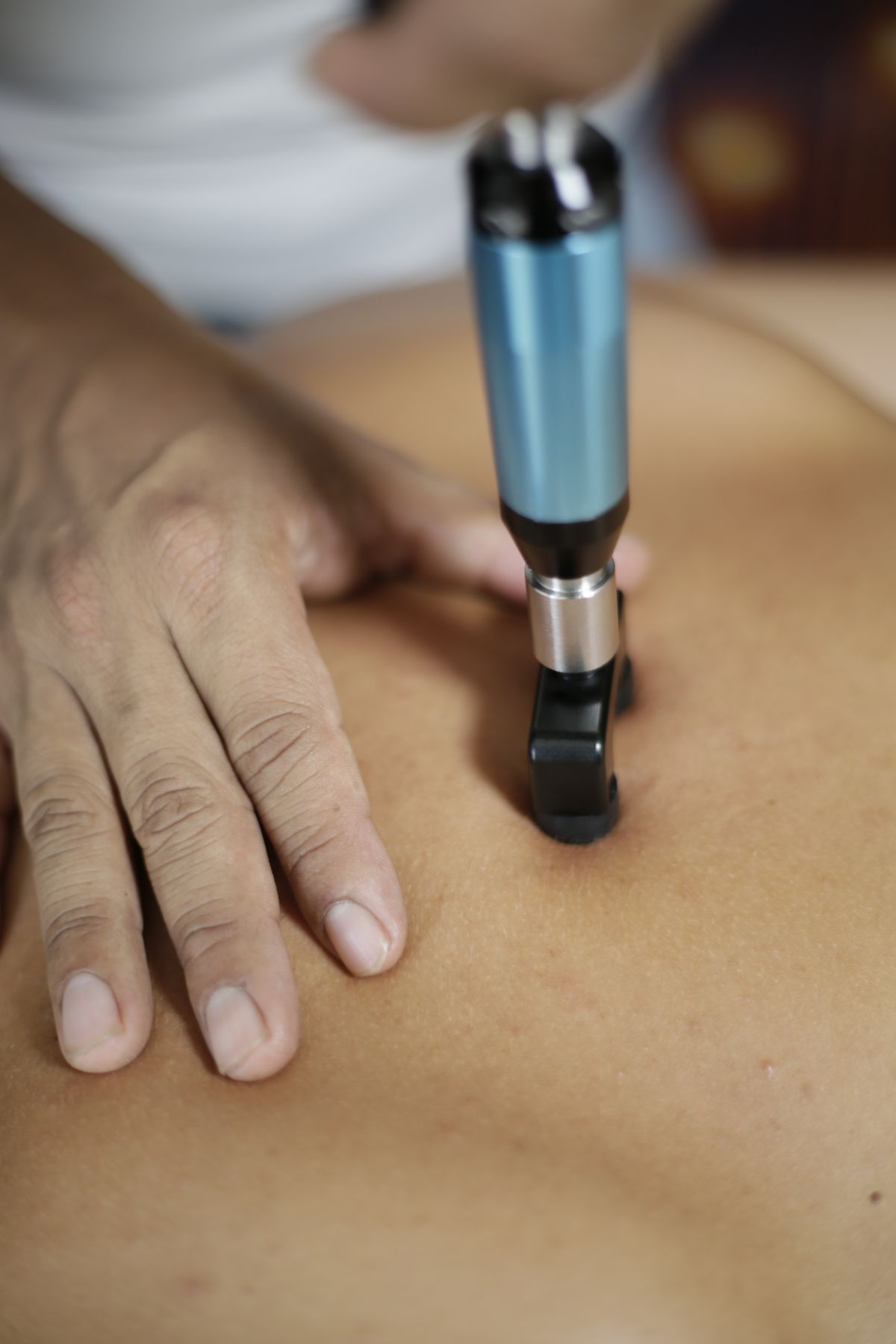
Spinal Decompression Therapy: Options, Evidence and Risks
"Spinal decompression" can mean very different things depending on who is using the term: nonsurgical approaches like traction, chiropractic adjustment, or physical therapy on one end, and surgical procedures like a diskectomy or laminectomy on the other. The nonsurgical versions are generally low-risk, but the research behind specific mechanical decompression devices is mixed, so it helps to know exactly which kind of decompression is being recommended, and why, before agreeing to a plan.
Nonsurgical vs. surgical decompression
Cleveland Clinic lists several nonsurgical options grouped under spinal decompression: acupuncture, chiropractic adjustments, physical therapy, traction (including inversion tables), and TENS (transcutaneous electrical nerve stimulation). These are generally used for conditions like bulging, degenerative, or herniated disks, pinched nerves, sciatica, and spinal stenosis, and providers typically take a stepped approach, starting with less invasive, lower-cost options first.
Surgical decompression options, such as corpectomy, diskectomy, foraminotomy or foraminectomy, and laminotomy or laminectomy, are generally reserved for cases that do not respond to conservative care, or for more severe structural problems. Recovery from surgery can take months, and physical therapy often plays a role in that recovery too.
What the evidence shows
For motorized or mechanical nonsurgical decompression specifically, a 2006 systematic review of randomized trials found it was generally no better than sham decompression, and noted that it has not been well compared against cheaper conservative options like exercise, physical therapy, or chiropractic care on their own. For spinal stenosis, Cleveland Clinic notes that clinical trials found surgery produced more improvement than nonsurgical treatment, though it does not provide the same kind of comparative data for the other nonsurgical decompression methods.
Separately, NCCIH's guidance on chronic low back pain notes that spinal manipulation specifically may lead to small improvements in pain and function, a modest effect worth knowing about rather than a guaranteed fix.
Risks and questions to ask
Nonsurgical methods are typically low-risk: a temporary symptom flare lasting 24 to 48 hours, or soreness at traction points, are the more commonly mentioned side effects. They are generally avoided with a recent fracture, spinal instability, severe osteoporosis, implanted spinal hardware, cancer, or during pregnancy without a provider's guidance.
Before starting any decompression program, it helps to ask what specific diagnosis it is meant to address, what evidence supports it for that diagnosis in particular, how many sessions a typical plan involves, and what happens if you do not improve. If ongoing back pain is your main concern, our back pain overview covers common causes and when to get evaluated, and our article on sciatica relief looks at a related nerve-pain condition that often comes up in the same conversation.
- Spinal decompression covers both nonsurgical methods (traction, chiropractic, physical therapy) and surgical procedures; they are not interchangeable.
- Evidence for motorized or mechanical nonsurgical decompression specifically is weak; a 2006 systematic review found some trials showed no advantage over sham treatment.
- Nonsurgical approaches are generally low-risk, but are usually avoided with a recent fracture, spinal instability, severe osteoporosis, spinal hardware, cancer, or pregnancy without medical guidance.
- Ask what diagnosis a recommended decompression approach is meant to treat, and what evidence supports it for that specific diagnosis.
- Leg weakness, numbness, or loss of bladder or bowel control.
- A recent fracture, spinal instability, severe osteoporosis, or spinal hardware, before starting any decompression program.