PRP Joint Injections: Preparation and Recovery
Before the appointment
A typical visit starts with a small blood draw, similar to routine labwork. Patients are often advised to avoid anti-inflammatory medications (like ibuprofen) for a period beforehand, since these can interfere with platelet function — always confirm this instruction with your own provider rather than assuming it applies to you.
What the injection itself involves
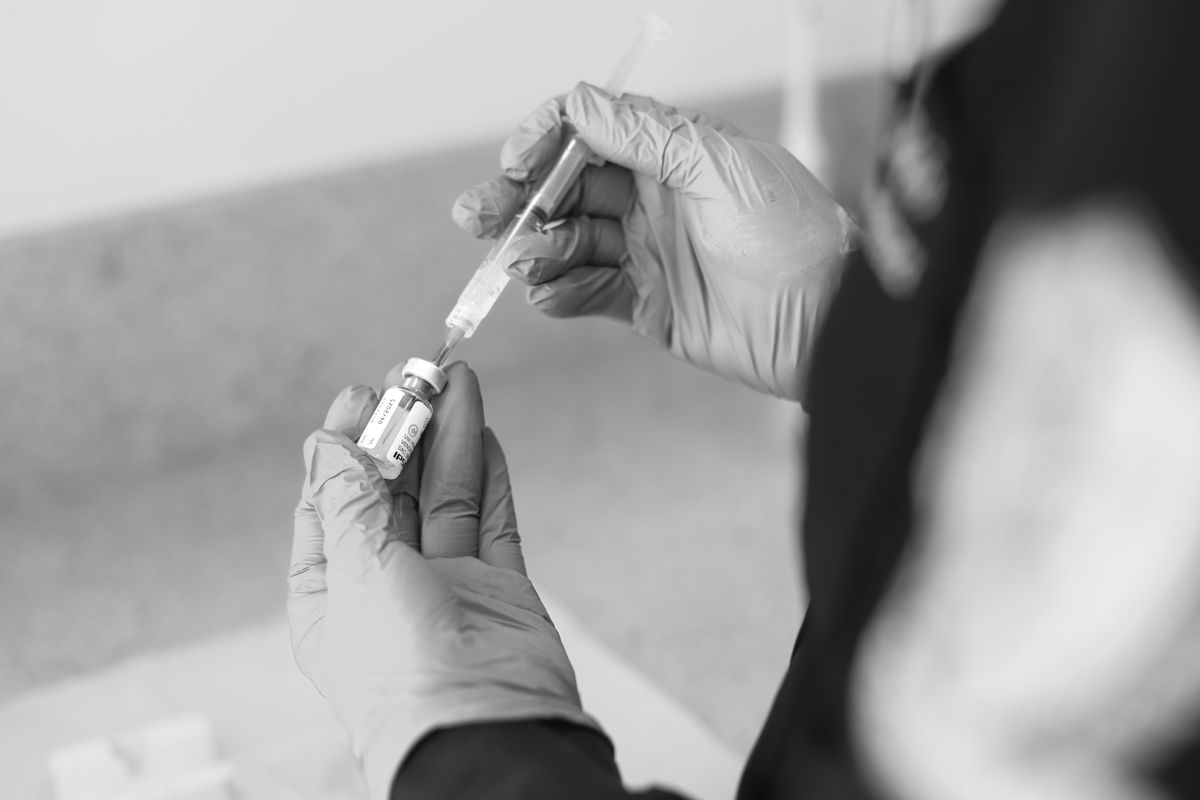
The drawn blood is processed in a centrifuge to concentrate the platelets, then injected into the target joint or tissue, usually in the same visit.
Aftercare and recovery
Mild soreness and swelling at the injection site for a day or two is common. Clinics generally recommend limiting strenuous use of the treated joint for a short period and following up to assess response, since PRP effects, when present, tend to build over weeks rather than appear immediately.
| Stage | What typically happens |
|---|---|
| Before | Small blood draw; anti-inflammatory medications often paused beforehand |
| During | Blood processed in a centrifuge, then injected into the target joint |
| After | Mild soreness/swelling for a day or two; limit strenuous use briefly |
| Follow-up | Response assessed over weeks, since effects build gradually |
- The procedure starts with a routine-style blood draw, then a same-visit injection.
- Anti-inflammatory medications may be paused beforehand on your provider's advice.
- Benefits, if any, tend to develop over weeks rather than immediately.
- Increasing pain, redness, warmth, or fever after the injection (possible infection).
- No improvement at all after the timeframe your provider indicated.