Scoliosis in Adults: Symptoms, Assessment and Care Options
Adult scoliosis usually falls into one of two groups: a curve that has been present since adolescence, or a new "degenerative" curve that develops later in life as disks and joints wear down. Most cases cause no symptoms at all, and even when treatment is needed, the goal is usually managing symptoms and slowing progression rather than fully straightening the spine.
What adult scoliosis looks like
Adults may have mild, undiagnosed scoliosis carried over from childhood, or an "adult-onset" or "degenerative" curve linked to weakened disks and joints or bone loss. In adults, the main area of concern is typically the lower (lumbar) spine. Most people have no symptoms at all; when symptoms do occur, they can include back pain (usually muscular, and often improving with a therapy program), difficulty standing upright, core weakness, and leg pain, numbness, or weakness. Possible visible signs include uneven shoulders or waist, an elevated hip, leaning to one side, or uneven leg length.
One myth worth clearing up directly: scoliosis is not caused by poor posture, according to Northwestern Medicine's overview of the condition. Posture habits matter for other reasons (see our posture tips for desk workers), but slouching at a desk is not the explanation for scoliosis itself.
How it's assessed
Diagnosis starts with a physical exam: standing and forward-bending tests, checking spinal shape and movement, and testing reflexes and strength, alongside history questions about when changes were first noticed and any bowel, bladder, or motor symptoms.
Imaging typically follows: X-rays from the front and side show the curve, and MRI or CT may be added. The curve is measured in degrees, generally following these rough ranges: under 10 degrees is not diagnosed as scoliosis, 10 to 24 degrees is mild, 25 to 39 degrees is moderate, and over 40 degrees is considered severe.
Care options and realistic goals
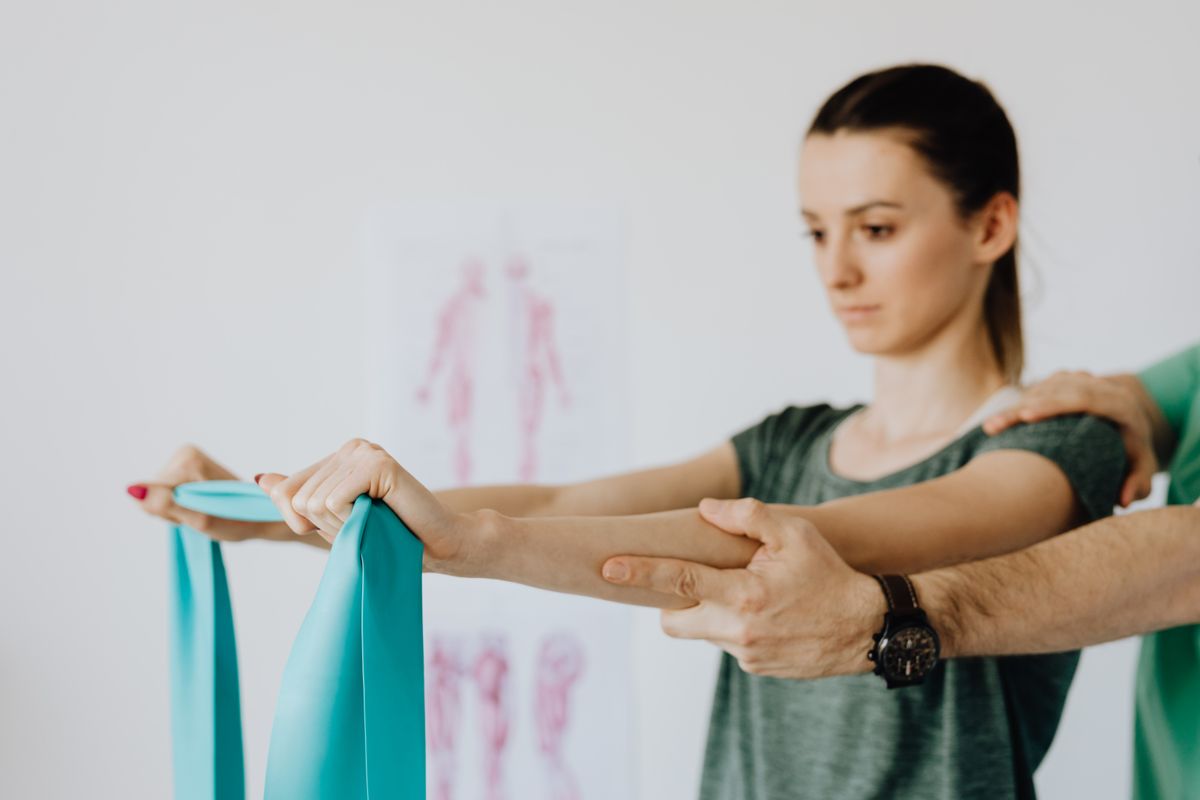
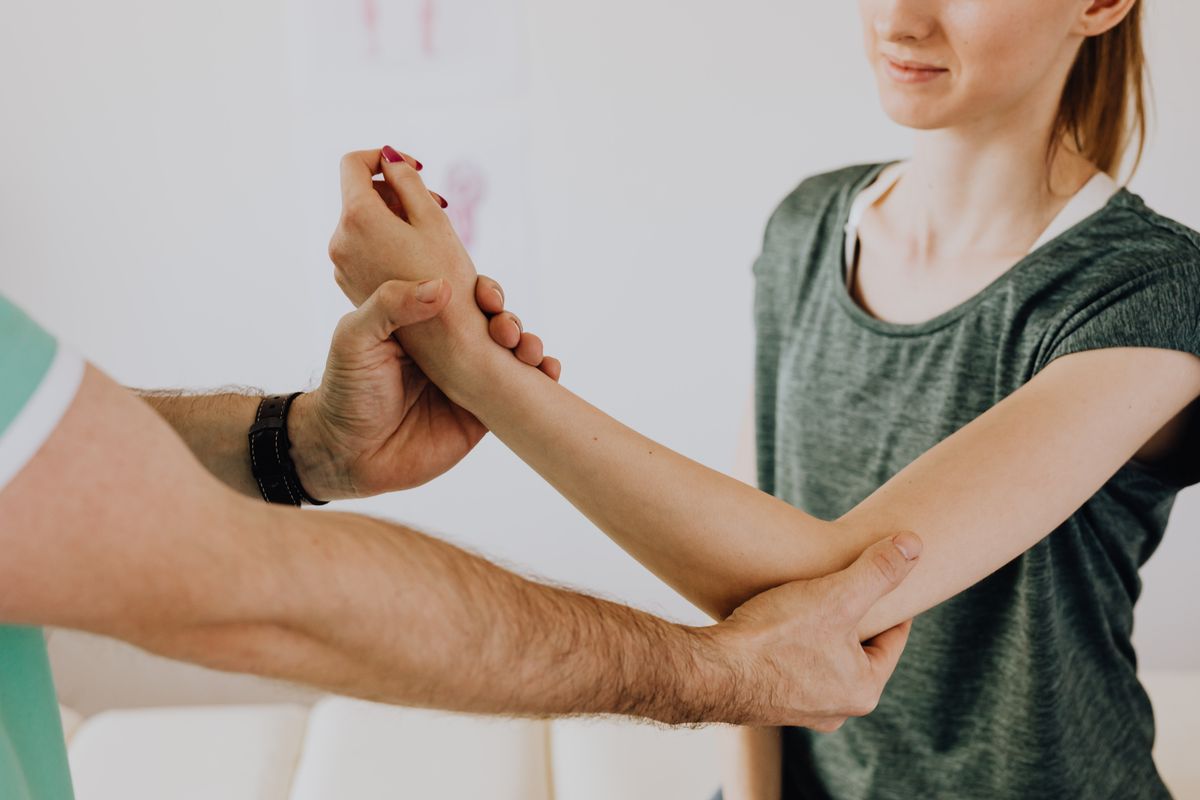
Not every case needs treatment. Decisions generally weigh curve degree, type, family history, age, and symptoms. Conservative options include regular monitoring (often every six months), over-the-counter pain relievers, core-strengthening exercise, a back brace, physical therapy covering posture and daily stretching, and low-impact activity like swimming.
It is worth knowing that Cleveland Clinic's overview of this condition does not mention chiropractic care at all as a listed treatment. If you come across chiropractic-specific "correction" claims for scoliosis online, it is reasonable to ask what published evidence supports that claim specifically for adult, rather than adolescent, scoliosis.
Surgery is generally reserved for cases that do not respond to conservative care, aiming to stabilize the spine, restore balance, and relieve nerve pressure. It carries its own risks, including infection, bleeding, blood clots, and nerve damage, and is a decision made together with a spine specialist, not a first step. Most people with scoliosis can stay physically active; if a specific activity causes pain, the general advice is to stop and reassess rather than push through it. Our spinal correction page explains more about what that term covers on this site.
- Adult scoliosis is either a long-standing curve from adolescence or a new, degenerative curve linked to aging disks and joints; most cases have no symptoms.
- Scoliosis is not caused by poor posture, according to Northwestern Medicine’s overview of the condition.
- Diagnosis combines a physical exam with X-rays, and sometimes MRI or CT, measuring the curve in degrees to guide decisions.
- Care ranges from monitoring and physical therapy to, in some cases, surgery; ask for the evidence behind any specific correction claim, since Cleveland Clinic’s overview does not list chiropractic care as a treatment.
- Shortness of breath or chest pain (these are rarely linked to scoliosis itself and need their own evaluation).
- New or worsening leg pain, numbness, or weakness.