Physical Rehabilitation After Injury
General stages of rehab
Rehabilitation after an injury typically moves from protecting the injured area and reducing pain/swelling, to restoring range of motion, then building strength, and finally returning to normal or sport-specific activity. The pace depends heavily on the specific injury and individual healing.
Why guided exercise matters
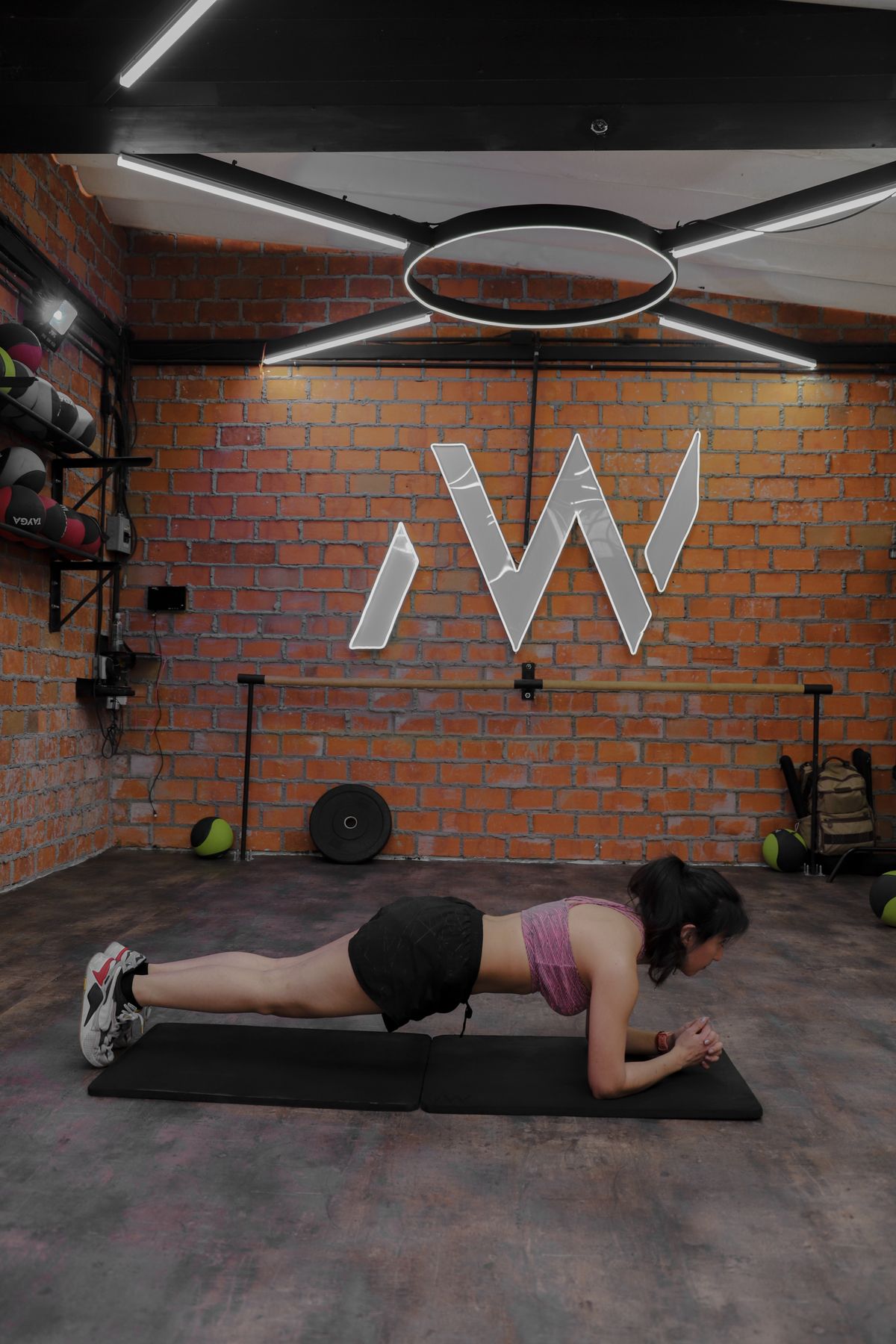
Structured exercise, often guided by a physical therapist, is a central part of recovery for most musculoskeletal injuries, helping rebuild strength and reduce the chance of re-injury — simply resting until pain disappears is usually not sufficient on its own.
Tracking progress
Ask your provider what specific milestones (range of motion, strength, pain-free activity) define moving from one stage to the next, so progress is measured against something concrete rather than just how you feel on a given day.
- Rehab generally progresses through protection, mobility, strength, and return-to-activity stages.
- Guided exercise is usually central to recovery, not optional.
- Ask for concrete milestones that define progress between stages.
- Rehab exercises that consistently increase pain rather than gradually improving tolerance.
- Lack of any progress after the timeframe your provider initially estimated.